Bell 505 Air Touraine: Payload and Sustainable Fuel Capacity
Two Bell 505s Join Air Touraine
A modern, versatile helicopter ready to support the next generation of sightseeing flights, training, and professional missions.
Bell 505 Jet Ranger X · Safran Arrius 2R · 1 pilot + 4 passengers
Air Touraine is preparing to add two Bell 505 Jet Ranger X helicopters to its fleet. Beyond their comfort and modern avionics, these aircraft raise a very practical question: how much can they actually carry when fueled with sustainable aviation fuel (SAF)?
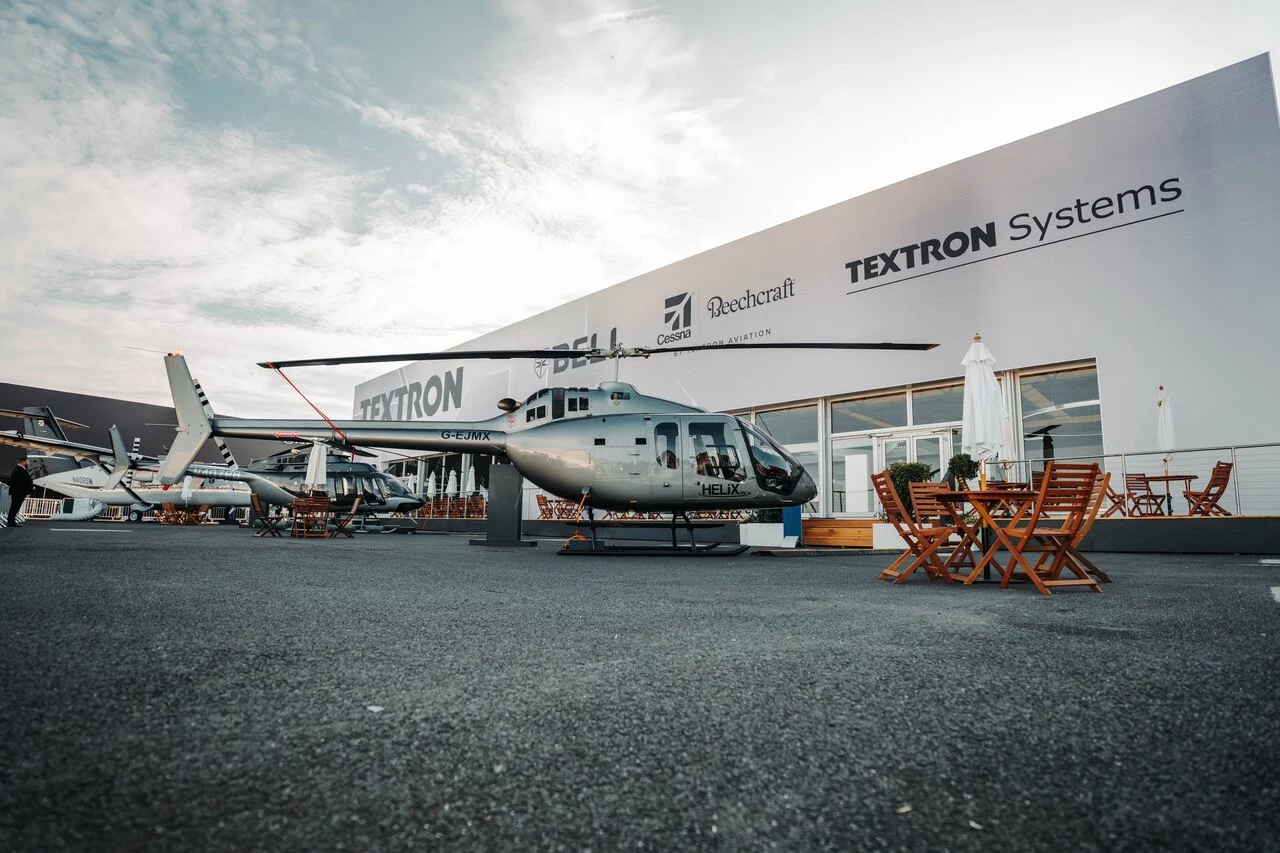
A New Chapter for the Air Touraine Fleet
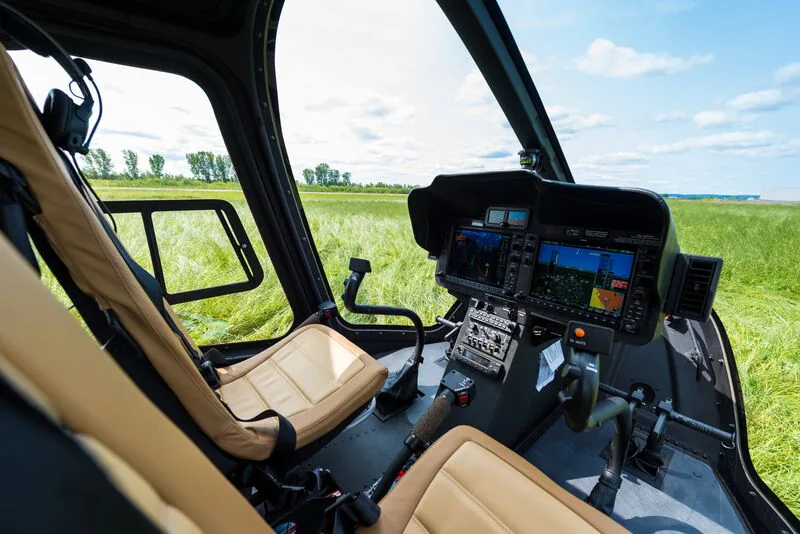
The Bell 505 Jet Ranger X was designed as a light turbine helicopter capable of quickly switching between missions. Its five-seat cabin, flat floor, and removable seats allow it to be configured for passenger transport, training, or certain professional operations, in accordance with the approved configuration and the specific requirements of each mission.
For Air Touraine, the arrival of these two aircraft rounds out a fleet already known for its versatility. It also opens up new possibilities for the flight school, customized flights departing from Tours and the greater western region, as well as specialized aviation activities when the aircraft and equipment selected are tailored to the specific needs.
The Bell 505's "biofuel" is actually SAF
In the aviation industry, the term used is SAF — Sustainable Aviation Fuel. This is not a type of automotive fuel that is poured into a separate tank, but rather a “drop-in” fuel designed to be used in existing systems, provided it meets the applicable specifications and approvals.
The Bell 505 is equipped with a Safran Arrius 2R engine. Bell and Safran have announced that this engine can operate on blends containing up to 50% SAF. Bell also flew a Bell 505 dedicated to testing with 100% SAF in 2023, and subsequently reported more than 700 flight hours using blended SAF on a test aircraft. These results are significant for the industry.
What is the payload capacity when using SAF?
The Bell 505 retains its standard fuel tank and maximum weight limit; the SAF does not provide additional payload capacity. What matters for the flight is not just the volume in liters, but the total weight of the helicopter, its occupants, luggage, and fuel.
- Standard Tank ≈ 321 liters
That is 84.85 U.S. gallons of standard fuel, according to the reference sheet published by AOPA.
- Payload with a full tank ≈ 426 kg
This reference value includes the pilot, passengers, and baggage. It does not replace the calculation specific to each aircraft.
For educational purposes, a blend specified as 50% by volume would represent approximately 160 liters of SAF component in a standard 321-liter fuel tank. This conversion is not intended as refueling instructions: the fuel’s composition, density, certification, the operator’s procedures, and the aircraft’s documentation must be verified before each use.
Key Technical Figures to Keep in Mind
| Cabin Configuration | 1 pilot + 4 passengers |
|---|---|
| Internal payload published by Bell | 1,500 lb, or about 680 kg |
| Maximum takeoff weight, internal configuration | 3,680 lb, or about 1,669 kg |
| Standard Fuel | 84.85 U.S. gallons, or about 321 liters |
| Payload with a full standard fuel tank | 940 lb, or approximately 426 kg — AOPA reference value |
| Published Battery Life/Range | 306 NM, or approximately 566 km, under manufacturer's conditions |
Flight preparation that is always tailored to your needs
For each flight, the crew and operations staff take into account, among other things, the aircraft’s actual empty weight, the number and weight of passengers, baggage, the amount of fuel required, fuel reserves, temperature, altitude, wind, distance, and the performance capabilities at the departure and arrival airports.
Planning a flight in a Bell 505?
Whether it's a sightseeing flight, training, or a business trip, our team will assess your needs and offer a solution tailored to the aircraft's configuration.